

A Straightforward Look From a Roofer With 30 Years of Experience
After more than 30 years of working on roofs, we have learned that most homeowners care about more than how a roof looks. They want to know how long it will last, how much maintenance it requires, and whether it’s worth the money over time.
Cedar roofs come up often in those conversations. They’ve been around for generations, and when done right, they can last a very long time. This guide is for homeowners considering cedar shake roofs and for anyone who wants to understand their long-term value, maintenance needs, and how they compare with other roofing materials.
This article also connects directly to our larger guide, What Type of Roofing Materials Last the Longest?, because cedar shake roofs are often discussed when durability and lifespan are important.

What Cedar Shake Roofs Are Made Of — and Why That Matters
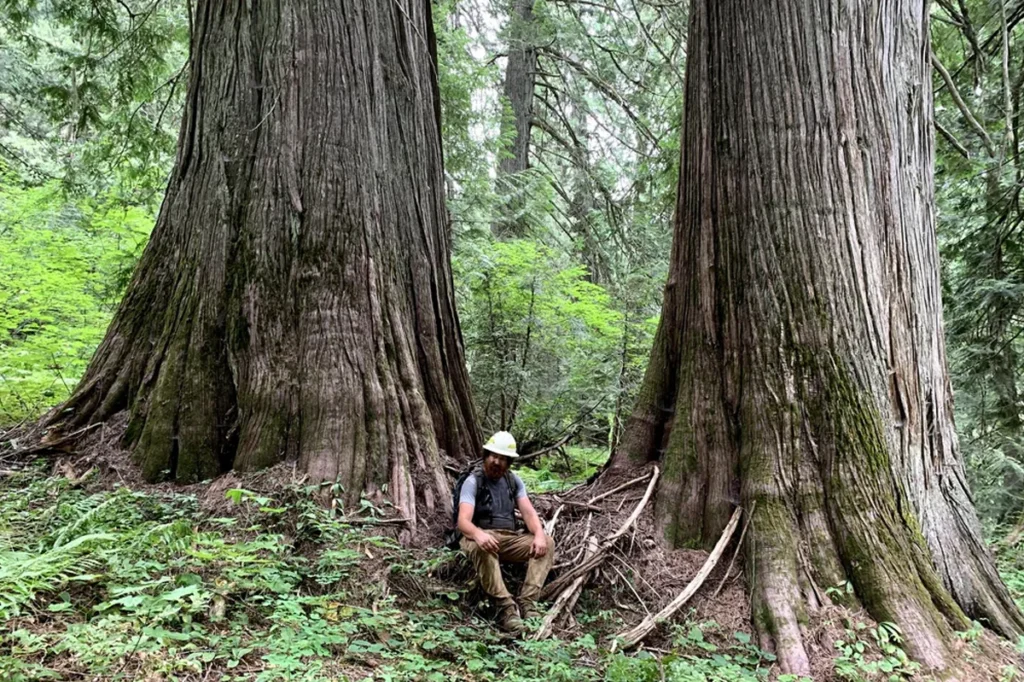
Cedar Shake roofs are made from natural cedar wood. Typically, most are made from Western Red Cedar – Thuja plicata or Alaskan Yellow Cedar, both known for holding up well outdoors. Cedar shakes are made from split logs, not cut flat with a saw. Wood shingles, by contrast, are usually machine-sawn, making them smoother and more uniform in shape. This difference may seem small, but it has a significant effect on how the roof performs over time.
The method of splitting shakes rather than sawing ensures only straight-grained pieces, which are much stronger and less likely to warp. Because cedar shakes follow the wood’s natural grain, they are thicker and stronger than most wood shingles. That extra thickness helps them better withstand wind, rain, snow, and temperature changes. Cedar also contains natural oils that help resist rot and insects.
Another benefit many homeowners don’t realize is the insulation it provides. Cedar shake roofs have a natural insulation value about twice that of asphalt shingles, which can help keep homes cooler in summer and warmer in winter. Cedar shakes can last up to 50 years with proper care, while wooden shingles typically have a shorter lifespan, making them among the longest-lasting roofing materials used on homes today.
A Short History of Wood Shingles and Shakes
Wood roofing isn’t new. Long before modern roofing materials, wood shingles were prevalent in the North American colonies and eastern Europe, while thatch and slate tile were more common in central and southern Europe. Historically, shingles, also known as shakes, were split from straight-grained, knot-free bolts of wood. This was the standard method before the 1800s. These early shingles were rough and uneven, much like today’s cedar shakes. The wood species used for shingles varied with available local woods, but only the more durable heartwood was typically used.
Things changed in the early 19th century when steam-powered sawmills became common. These machines enabled rapid, even cuts of wood shingles. This led to thinner, smoother shingles that were easier to install and cheaper to produce. Modern wood shingles are still produced on machines. Cedar shakes are also produced with modern tools, but they retain the traditional split shape that has proven to last for generations.

What Wood Shingles Are and How They’re Used
Wood shingles are thin, tapered pieces of wood most often used on roofs and sometimes on exterior walls or siding. Because they are machine-made, wood shingles have a smooth and uniform surface. One advantage of wood shingles is their appearance. They come in decorative styles, including fishscale, diamond, sawtooth, and steam-bent shapes. These styles are often used on older homes or in custom designs where looks matter more than maximum lifespan. Wood shingles are often used in colder climates because they fit tightly together, helping retain heat and prevent cold drafts. However, they are less durable than wood shakes, especially in wet or humid areas.
Cedar Shakes vs Wood Shingles: The Real-World Difference
From a roofer’s perspective, the biggest difference is thickness and strength. Cedar shakes are thicker, rougher, and heavier. They offer strong weather protection and a natural, rustic look that many homeowners love. Over time, cedar shake roofs develop a signature silver-gray patina from weathering. Because of their thickness, they withstand harsh weather better and typically last longer than wooden shingles. Wooden shingles are thinner and lighter, making them easier to install and less expensive upfront, but they generally have a shorter lifespan. In damp environments, wood shingles tend to wear out faster than cedar shakes. Wood shakes provide long-lasting weather protection and a rustic aesthetic, but require more maintenance than wood shingles.

Maintenance: What Homeowners Need to Know
Cedar shakes and shingles are often described as durable and low-maintenance, but not maintenance-free. However, cedar shake roofs are susceptible to moisture sensitivity, leading to warping, cracking, or rotting without proper ventilation. Cedar shake roofs should be inspected regularly and treated every two to four years to help protect against moisture and fire. Keeping the roof clean is equally important. Leaves, pine needles, and other debris trap moisture, accelerating wood decay. If cedar shake roofs are ignored—especially in humid or rainy areas—they can fail much sooner than expected. In some cases, neglected cedar roofs may last only 15 to 20 years. Proper care is what allows cedar shakes to reach their full lifespan.
Installation and Cost Considerations
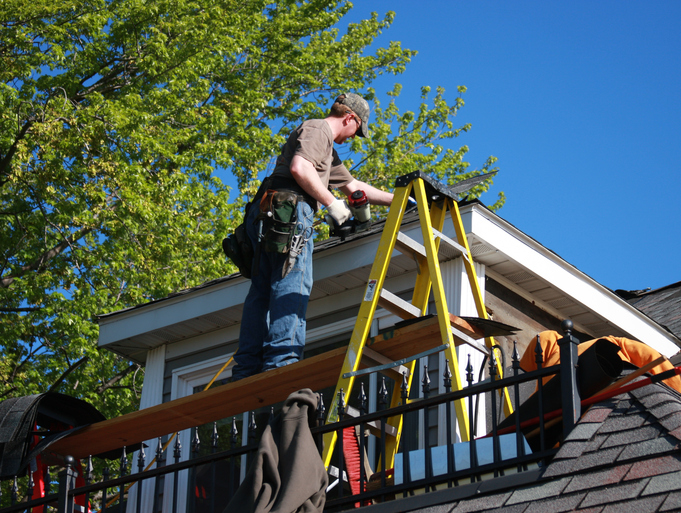
The simplest form of wood shingle is a rectangle about 16 inches long. Wood shingles are installed in an overlapping pattern, starting at the bottom of the roof and working upward. This creates layers that help the wood shingle roof shed water. Cedar shakes are installed with extra spacing to allow air to move between them. This airflow helps the thicker wood dry properly after rain or snow.
The cost of wooden shakes is generally higher than that of wooden shingles due to the more extensive manufacturing and installation process. That higher price reflects both the material and the labor involved. Many homeowners find the added cost worthwhile given the longer lifespan and stronger performance. Finally, both wood shingles and wood shakes can be treated with wood preservatives and fire retardants before or after installation.
Cedar Shake Roof Installation: Experience Matters
Cedar shake roofs are unforgiving during installation. Unlike asphalt shingles or metal roofing, cedar shakes require proper spacing, adequate airflow, and a deep understanding of how wood responds to moisture, temperature changes, and time. Proper attic and ridge ventilation is vital to prevent heat and moisture from being trapped beneath the roof deck.
This is where experience makes a real difference. At Roofing Above All, cedar shake roofing isn’t something we “occasionally” do. It’s a system we understand, respect, and install properly. With decades of hands-on experience, our team knows how to handle cedar’s thickness, grain, and natural movement so the roof performs as it should for decades—not just a few years.
We don’t rush cedar installations. We focus on proper layout, ventilation, and details that protect the roof over the long term. That attention to detail is exactly why cedar shake roofs can reach their full lifespan.
How Cedar Shake Roofs Fit Into the Longevity Conversation
When homeowners ask which roofing materials last the longest, cedar shake roofs often come up. They’re not maintenance-free, but when installed correctly and properly maintained, they can last for decades. That’s why cedar shakes often appear alongside metal and other premium roofing systems in longevity comparisons. Their success depends on proper installation, regular maintenance, and realistic expectations.
Cedar shake roofs aren’t for everyone.
They cost more upfront and require maintenance. For homeowners who value long-term performance, natural insulation, a rustic aesthetic, and a traditional, timeless look, these materials remain among the most respected roofing options available.
This guide is meant to complement What Type of Roofing Materials Last the Longest?, helping you understand why cedar shake roofs perform the way they do and what it takes to make them last.
At Roofing Above All, we believe the best roofs start with clear information and honest advice—so homeowners can choose a roof they’ll be happy with for decades to come.